

Growing food at home feels intimidating until patterns start showing up. Most productive gardens run on a short list of habits repeated well. Timing beats guesswork. Temperature matters more than calendar dates. Watering with intention outperforms fancy products. Harvesting on time keeps plants working.
From seed to harvest, popular garden crops follow the same rhythm. Start strong, plant into prepared soil, keep moisture steady, protect young plants early, then harvest often enough that production stays high.
That system works whether the garden sits in raised beds, containers, or a small patch of ground behind the house.
The Seed-to-Harvest System That Works for Most Crops
Gardening only feels complicated when every step gets treated as a mystery. Breaking the season into checkpoints simplifies decisions and cuts mistakes, especially when gardeners map steps visually using a brochure maker.
Choosing the Right Planting Method
Popular home garden crops fall into two clear categories.
Direct Sow Outdoors
Best for crops that grow fast or resent root disturbance.
- Carrots
- Beans
- Spinach
- Lettuce in many climates
- Fast-growing greens
Start Indoors, Then Transplant
Best for crops that need a longer season or benefit from an early head start.
- Tomatoes
- Peppers
- Broccoli
- Sometimes, cucumbers or zucchini for early harvests
Soil Comes Before Fertilizer
Many home gardens struggle more with soil structure and moisture swings than nutrient shortages.
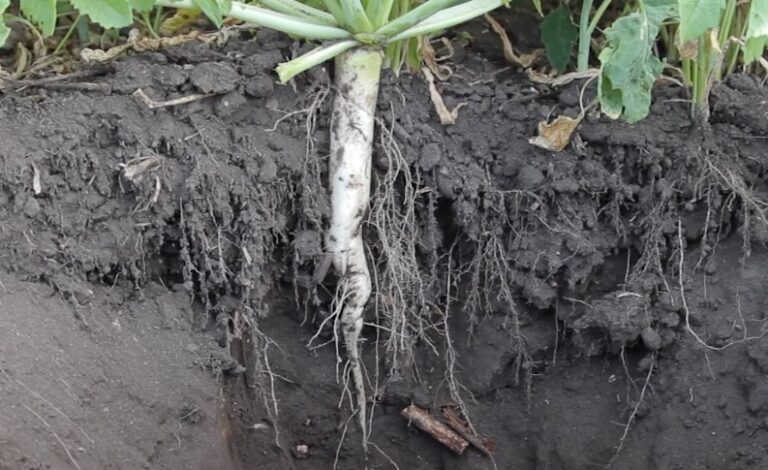
Work soil 6 to 10 inches deep. Add 2 to 4 inches of finished compost if soil feels compacted or low in organic matter. Compost improves drainage in heavy soils and increases water retention in sandy soils, helping every crop through dry stretches.
Home compost works well when built carefully. Extension guidance recommends avoiding risky inputs and sticking with simple, safe composting practices. Compost tea, if used at all, should follow conservative ratios and basic sanitation.
Temperature Beats the Calendar
Seed packets rely on averages. Gardens respond to real temperatures.
- Soil temperature controls germination speed and success
- Night temperature controls early growth for warm-season crops
Examples show how much temperature matters.
- Carrot germination slows during heat and performs best in moderate soil conditions
- Beans planted into cold soil often rot instead of sprouting
- Peppers planted too early grow slowly and rarely catch up later
Harvesting Is Part of Plant Care
Harvest timing shapes how much food plants produce.
- Zucchini left oversized slows future yield
- Beans toughen as pods mature
- Basil produces more leaves when cut correctly and kept from flowering
Harvesting on time functions as maintenance, not just food collection.
Starting Seeds Indoors Without Weak Growth
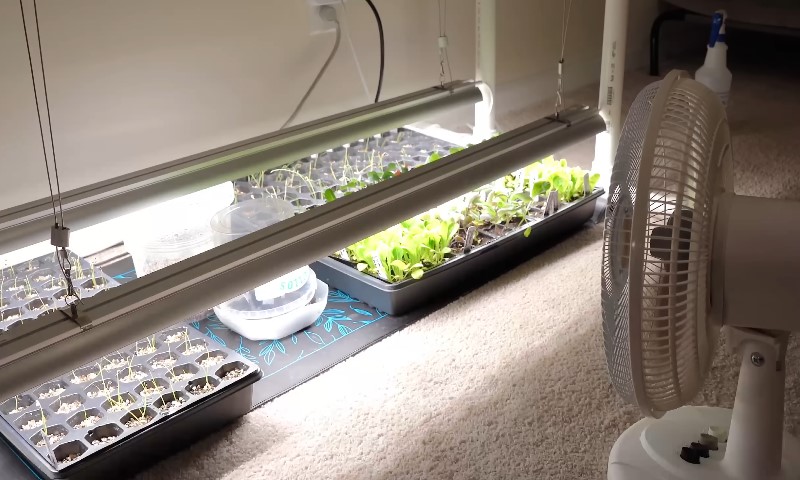
Indoor seed starting pays off when done for the right reasons. Early harvests, longer seasons, and healthier transplants all justify the effort.
Light Makes or Breaks Seedlings
Weak, stretched seedlings signal light problems. Windows rarely provide enough intensity for sturdy tomatoes or peppers. Strong artificial light keeps plants compact and resilient.
Start Later Than Instinct Suggests
Starting too early creates tall seedlings trapped indoors too long. Those plants struggle after transplanting and stall during early summer.
Hardening Off Works Like Training
Seedlings need gradual exposure to outdoor conditions.
- Begin 1 to 2 weeks before transplanting
- Avoid outdoor exposure below 45°F
- Increase sun exposure a little each day
Treat hardening off as preparation, not a single step.
Crop-by-Crop Overview
The table below offers setup targets that work for most home gardens.
| Crop | Start Method | Germination and Temperature Notes | Spacing | Days to Harvest | High-Impact Tip |
| Tomatoes | Start indoors, transplant | Heat stress can reduce fruit set; maturity varies | Depends on support | Some ~55 days | Support early |
| Peppers | Start indoors, transplant | Warm days and nights improve growth | ~18 inches, rows 30 to 36 inches | Varies | Warm soil matters |
| Cucumbers | Direct sow or transplant | Germinate in warm soil | ~12 inches | 45 to 70 days | Trellis plants |
| Zucchini | Direct sow or transplant | Warm soil improves results | Hills 3 to 4 feet apart | 50 to 75 days | Harvest often |
| Beans | Direct sow | Cold soil causes seed rot | 3 to 4 inches | 45 to 60 days | Delay planting |
| Carrots | Direct sow | Best around 55 to 65°F | Thin carefully | Varies | Keep soil moist |
| Lettuce | Direct sow or transplant | Wide germination range | 8 to 12 inches | 25 to 60 days | Succession sow |
| Spinach | Direct sow | Cool-season crop | ~3 inches | 28 to 55 days | Plant early |
| Broccoli | Start indoors | Prefers cooler temps | 12 to 18 inches | 45 to 70 days | Harvest side shoots |
| Basil | Indoor or direct sow | Harvest above nodes | Flexible | Continuous | Prevent flowering |
Crop Guides From Seed to Harvest
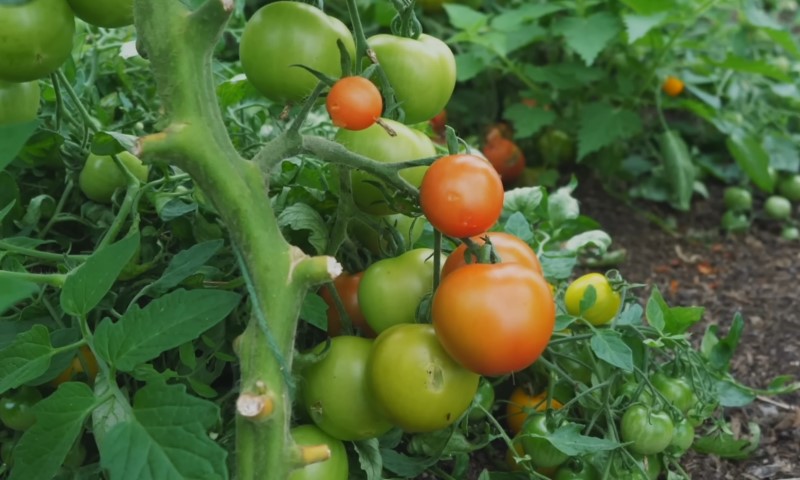
Tomatoes
Tomatoes’ reward structure. Warmth, sun, steady moisture, and early support drive success.
Seed Starting and Transplanting
Indoor starting allows transplanting once frost risk passes. Variety selection matters. Some ripen around 55 days while others require close to three months of heat.
Temperature Reality
High heat reduces fruit set. Extension research notes reduced pollen viability when temperatures exceed roughly 90°F. Fertilizer cannot fix heat stress. Timing and variety selection matter most.
Harvesting
Pick fruits at full color. Regular harvesting lowers cracking and pest pressure.
Peppers
Peppers often appear underwhelming early, then surge once nights warm.
Spacing and Rotation
Eighteen inches between plants and 30 to 36 inches between rows works well. Rotate away from tomatoes, potatoes, eggplant, and previous pepper beds to limit disease.
Temperature Target
Peppers perform best with 70 to 80°F days and 60 to 70°F nights. Delay planting until frost risk passes.
Harvesting
Green peppers can be harvested early. Fully colored peppers need more time.
Cucumbers
Cucumbers deliver quick satisfaction when moisture and airflow stay consistent.
Planting Options
Direct sow after soils warm or transplant for earlier harvests. Seeds germinate in 65 to 85°F conditions within 5 to 10 days.
Spacing and Yield Context
Common spacing runs about 12 inches in-row with wide rows. One home garden guide estimates yields around 8 to 10 pounds per 10-foot row.
Harvest Window
Harvest begins 45 to 70 days from seed. Picking young improves texture and extends production.
Zucchini and Summer Squash
Zucchini offers heavy yields when managed with discipline.
Timing
Plant after frost once soil warms near 70°F.
Spacing
Hills spaced several feet apart prevent crowding and disease pressure.
Harvest Discipline
Harvest every other day if possible. Removing oversized fruit prevents yield decline.
Green Beans
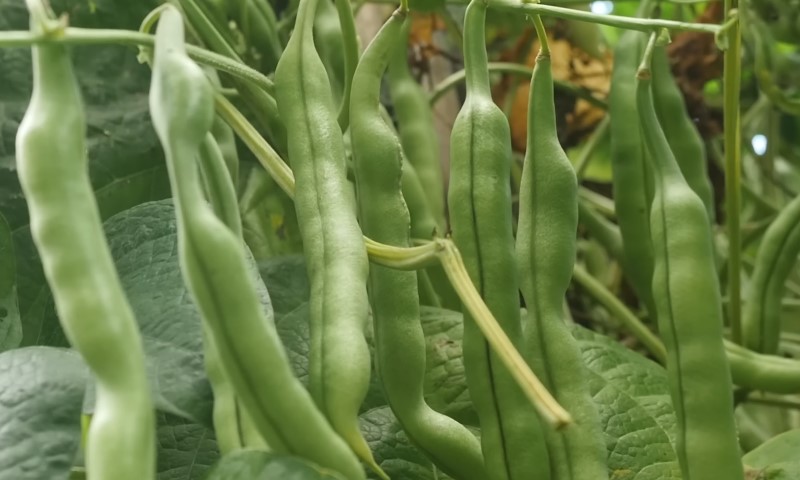
Beans reward patience at planting time.
Planting
Warm soil prevents seed rot and uneven emergence.
Succession Planting
Planting every 2 to 3 weeks extends harvests across summer.
Harvest Timing
Beans reach peak quality around 45 to 60 days when pods stay immature.
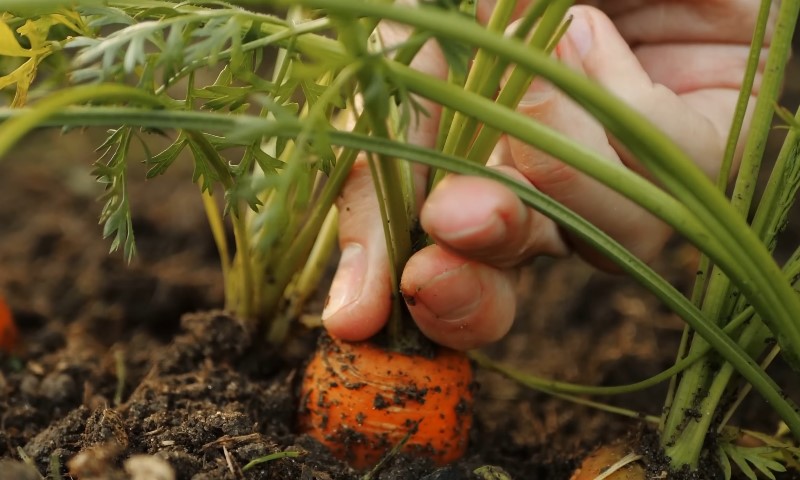
Carrots
Carrots test patience during germination.
Soil Preparation
Loose, stone-free soil prevents misshapen roots.
Germination Conditions
Best germination occurs near 55 to 65°F and may take 14 to 21 days. Heat reduces success.
Moisture Strategy
Keep surface soil evenly moist until sprouts appear.
Lettuce
View this post on Instagram
Lettuce delivers early harvests with minimal space.
Temperature
Best growth occurs around 60 to 65°F. Germination remains possible across a wide range.
Harvest Planning
Baby leaf harvests begin near 25 days. Mature heads form closer to 60 days.
Succession
Plant every 2 to 3 weeks for steady salads.
Spinach
Spinach thrives during cool weather.
Maturity Window
Harvest typically occurs 28 to 55 days from seed.
Bolting Risk
Long days and warmth push plants toward bolting quickly.
Planting Strategy
Early spring and fall sowings deliver the best results.
Broccoli
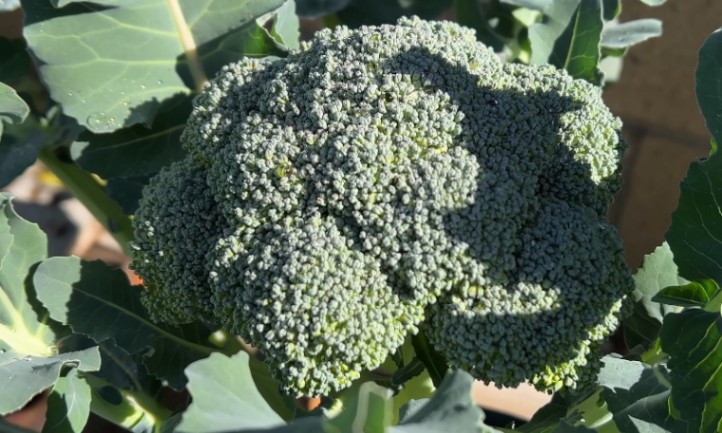
Broccoli succeeds when treated as a cool-season crop.
Temperature
Best production occurs below roughly 75°F. Plants tolerate cold into the upper 20s.
Spacing
Allow 12 to 18 inches between plants and 2 to 3 feet between rows.
Harvesting
Cut the main head when buds remain tight. Side shoots often follow.
Basil
Basil productivity depends on harvest technique.
Harvesting
Begin cutting once plants hold 6 to 8 leaves. Cut just above leaf nodes to encourage branching.
Water Needs
About 1 to 1½ inches of water per week supports healthy growth.
Pest and Disease Control Without Overthinking
Healthy gardens rely on observation and early action.
- Space plants for airflow
- Water at the soil level when possible
- Remove damaged produce quickly
- Rotate plant families when space allows
Simple habits prevent minor problems from becoming season-ending failures.
Closing Thoughts
Growing popular garden crops from seed to harvest runs on repetition, not mystery. Build soil first. Match planting methods to each crop. Watch temperatures instead of dates.
Harvest often and early. With those habits in place, even small gardens produce steady, reliable food across the season.